


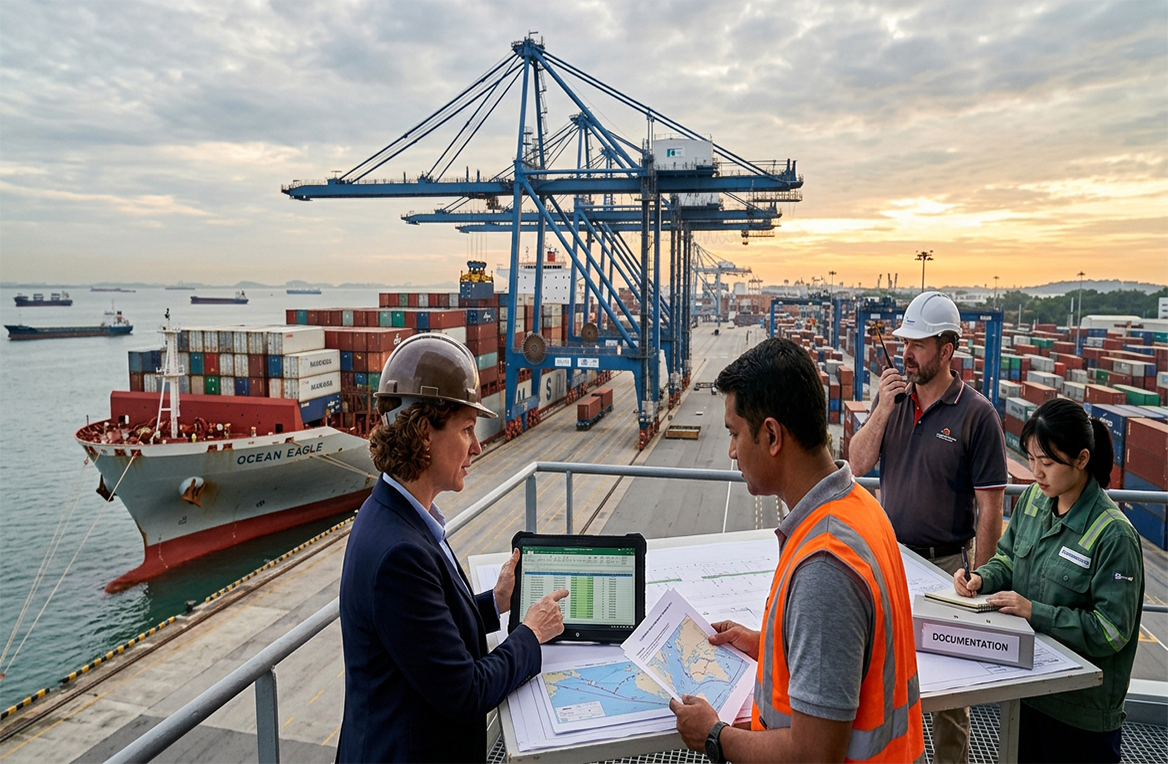
Shipping is one of the most important components of global transportation, connecting producers, businesses, and consumers across countries and continents. Ships transport enormous quantities of raw materials, energy products, manufactured goods, food, vehicles, and specialized cargo. Unlike many other forms of transportation, maritime shipping operates across international borders and involves a complex network of vessel owners, managers, charterers, ports, agents, cargo interests, regulators, and maritime professionals.
Understanding how the shipping industry works is essential for anyone interested in maritime transportation. A vessel does not operate independently; it is part of a larger commercial and operational system in which decisions about ownership, technical management, crewing, maintenance, cargo, chartering, scheduling, and voyage planning all interact. Effective vessel operations therefore require both maritime knowledge and an understanding of the business relationships behind a ship.
This course introduces the fundamental structure of the shipping industry and explains the different organizations and individuals involved in commercial vessel operations. It examines why ships are unique as transportation assets, how shipowners and ship managers contribute to vessel operations, and how charterers use ships to move cargo and conduct commercial business.
Students will also develop an understanding of the relationships between the main parties involved in shipping. Knowing who is responsible for the vessel, who manages its technical and operational requirements, and who hires or commercially employs the ship provides an important foundation for understanding charter parties, voyage operations, freight markets, and maritime business.
By the end of the course, learners should have a clearer picture of how a vessel moves from being a maritime asset to becoming part of a commercial transportation operation. This knowledge provides a strong foundation for further study in ship management, chartering, maritime logistics, port operations, and shipping business administration.